

In his 1977 book Coming into the Country, John McPhee wrote “The central paradox of Alaska is that it is as small as it is large–an immense landscape with so few people in it that language is stretched to call it frontier, let alone a state.”
Since then population centers have filled in though recent trends show people leaving the state almost as fast as they are entering it. But Alaska still commands a disproportionate amount of attention considering its population. Whenever there is another proposal or project to extract resources from the largely intact ecosystems, it garners a lot of attention. In some cases it’s a shift in political winds that brings about projects that were previously defeated. Pebble Mine. ANWR. Logging more old growth in the Tongass National Forest.
The landscape is not hemmed in by highways or private property like the Lower 48. It remains largely untouched and intact with the exception of the Dalton Highway and pipeline that are a not-insignificant threads that travel north to south. With so much unobstructed land, what’s a couple hundred miles of road, a couple mines, more logged timber?
The biggest resistance comes from the consequences of resource extraction. Open pit mines devastate ecosystems without the possibility for recovery. Clearcuts can regrow though not to the same level of productivity. Mines are forever. This is all clear and well documented. Many Alaskans have accepted the give and take of exploitation, whether in the oil and gas industry or tourism. It’s the feeling of being ripped off in addition to the give that is most disconcerting.
Governor Dunleavy introduced a bill that would provide tax breaks for a gas line project. The tax breaks would hurt local municipalities that depend on the tax revenue and would cut into the projected earnings. Dunleavy argues that without substantial incentives the project wouldn’t be built, seemingly negotiating from the side of the industry, not Alaskans. That’s why even members of his own party and supporters of the gas line are against the bill in its present form.
It’s tempting to want to go back to a cherry-picked idea of the 70s or 80s and lament loss and change or dust off the playbook and think Alaska is one good pipeline project away from another boom.
The question isn’t how we can replicate the economy of almost two generations ago, but how we can effectively move forward without ruining the economy, ecosystems or the quality of life.
Since the 1970s, tourism has emerged as the driving industry in Southeast Alaska. If anyone thinks the outback of Alaska is getting crowded, try to make a left turn in Yellowstone. The iconic Half Dome hike in Yosemite requires a permit and the daily limit is 75 people for the 16-mile round trip climb. Advocating for a recreational economy won’t invite that level of traffic. Geography prevents it. But crowds are the antithesis of the Alaskan experience, even if they are, at times, unavoidable.
My wife and I went to the Seward Peninsula for our honeymoon and there were tremendous crowds of people fishing the Kenai, Kasilof and Russian Rivers. There was a steady stream of people climbing to get views of Exit Glacier and the Harding Ice Field.
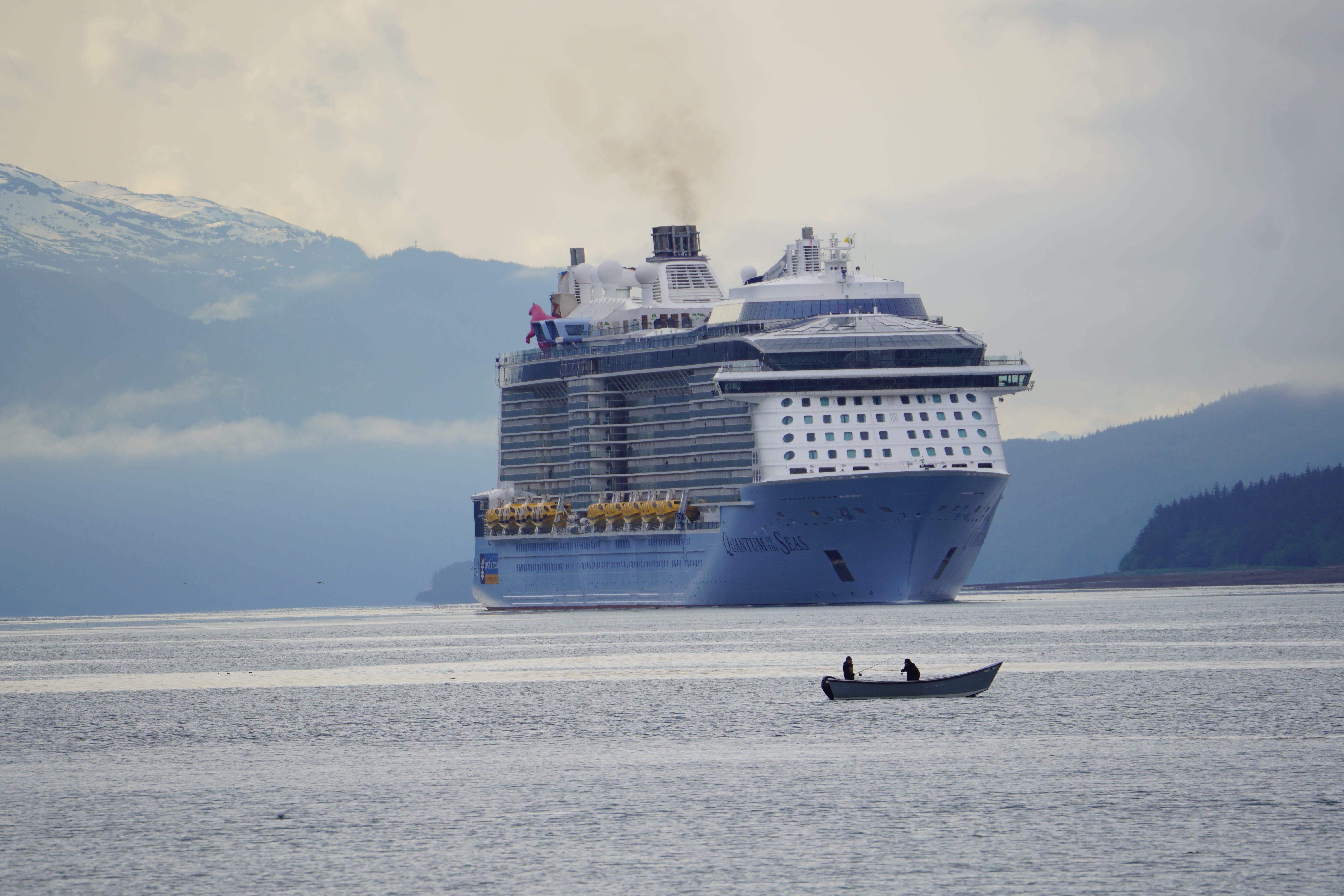
Even if tourism were to continue on its upward trend, the oil and gas industries provide 85% of the state’s budget. More cruise ships won’t change that. Still, that shouldn’t be taken as justification for more pipelines at any cost or building the Ambler Road.
As residents, most of the decisions happen to us, not necessarily for us.
“Most of the money was passing off the heads of Alaskans long established in the state. Confused and disillusioned, many were forced to ponder if big scale development meant bonanza after all,” McPhee wrote.
That was true almost fifty years ago, and it’s true now. Many of us trust the technology and innovation behind good ideas or ideas that necessitate an acceptable level of give. The corporations and politicians are the concerns.